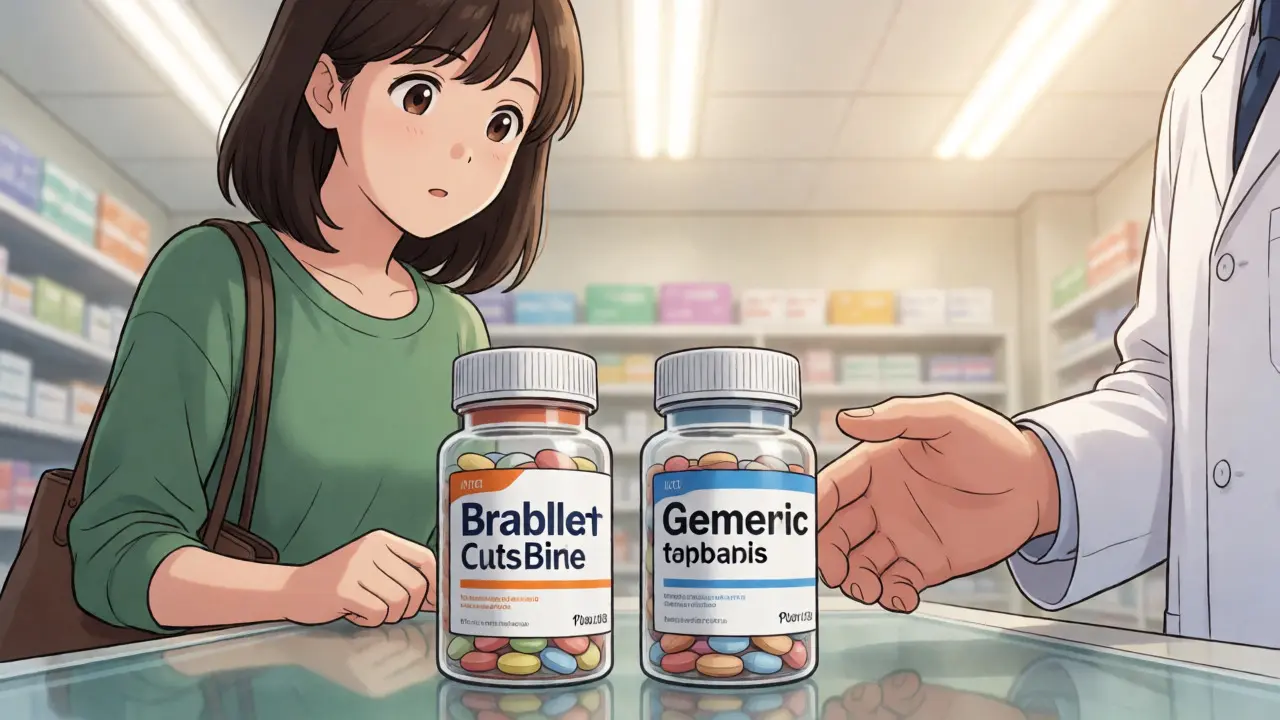
You walk into the pharmacy, hand over your prescription for a familiar brand-name pill, and the pharmacist slides back a bottle with different-looking tablets. "We switched you to the generic," they say. It saves you $40 a month. But as you look at those smaller, differently colored pills, a nagging question pops up: Is this actually the same medicine?
This is one of the most common concerns in modern healthcare. With nearly 90% of prescriptions in the United States filled with generics, it’s likely happening to you or someone you know right now. The promise is simple: identical active ingredients, massive cost savings. The reality? It can be a bit more nuanced depending on what you’re taking and how your body reacts.
The Core Promise: Bioequivalence
When you switch from a brand-name drug to its generic counterpart, you aren’t just getting a cheaper version. You are getting a product that has passed rigorous regulatory hurdles. In the U.S., the FDA requires that a generic drug must have the same active ingredient, strength, dosage form, and route of administration as the brand-name drug. They also must prove bioequivalence, which means the generic delivers the active ingredient into your bloodstream at the same rate and extent as the original.
Think of it like two cars driving from Point A to Point B. The brand-name car might have leather seats and a specific paint job (the inactive ingredients and appearance), but the engine and the speed limit compliance (the active ingredient and bioavailability) are required to be functionally identical. The FDA allows a small statistical margin-typically between 80% and 125%-for how much drug gets absorbed. For most people, this variance is negligible and clinically irrelevant.
Why Do Generics Look Different?
If the active ingredient is the same, why does the pill look so weird? Why is it oval instead of round? Or blue instead of white? This isn’t an accident; it’s law. Trademark laws prevent generic manufacturers from copying the exact physical appearance of the brand-name drug. If every aspirin looked exactly like Bayer’s original red-and-white tablet, consumers would struggle to distinguish who made it.
Consequently, generics often differ in:
- Shape and Size: Manufacturers use different molds.
- Color: Dyes and coatings vary by factory.
- Inactive Ingredients: Fillers, binders, and preservatives may differ.
For the vast majority of patients, these differences don’t matter. However, if you have specific allergies to dyes or fillers (like lactose or gluten), you need to check the inactive ingredient list. Sometimes, switching brands within the generic category can trigger sensitivities because Manufacturer A uses cornstarch while Manufacturer B uses microcrystalline cellulose.
The Cost Benefit: More Than Just Savings
Let’s talk numbers, because they are staggering. According to the Association for Accessible Medicines, using generics saved the U.S. healthcare system approximately $370 billion in a single recent year. For you personally, the difference can be huge. Data shows that 90% of generic copays are under $20, whereas only 39% of brand-name copays fall below that threshold.
But the benefit goes beyond your wallet. High costs are a primary reason patients skip doses or abandon therapy entirely. Studies indicate that new patient medication abandonment rates are 266% higher for brand-name drugs compared to generics. When you save money, you’re more likely to stay consistent with your treatment plan. Consistency often leads to better health outcomes, which is arguably more important than the brand on the label.

When Switching Requires Caution
While generics are safe for most conditions, there are specific therapeutic areas where switching requires extra vigilance. These are known as Narrow Therapeutic Index (NTI) drugs. For these medications, the difference between a helpful dose and a toxic dose is very small. Even minor variations in absorption can lead to significant clinical changes.
The most notorious example involves anti-epileptic drugs. Research published in peer-reviewed journals has documented cases where patients experienced increased seizure frequency after switching from a brand-name anticonvulsant to a generic. Similarly, thyroid medications like levothyroxine can show variability. One patient reported their TSH levels jumping from 2.5 to 8.7 within six weeks of switching from Synthroid to a generic levothyroxine.
Other categories where doctors might prefer consistency include:
- Warfarin: An anticoagulant where dosing is highly sensitive.
- Cyclosporine: Used for transplant rejection prevention.
- Lithium: For bipolar disorder management.
If you take any of these, ask your doctor before allowing automatic substitution. They may write "Dispense As Written" (DAW) on your prescription to ensure you get the exact product you’ve been stable on.
Manufacturer Switching: The Hidden Variable
Here is a scenario many people don’t anticipate: You are already on a generic drug. Next month, you go to refill it, and the pills look completely different again. This happens because pharmacies buy from different suppliers based on contracts and availability. In some healthcare systems, such as Saudi Arabia’s government sector, over 25% of formulary medications were switched between different generic manufacturers over a five-year period due to annual bidding processes.
This constant shuffling can cause confusion. Patients might think their medication changed when it’s just a different factory making the same generic formula. To combat this, pharmacists often add labels noting appearance changes. If you notice a sudden shift in how your meds look, verify with your pharmacist that the active ingredient hasn’t changed.
| Feature | Brand-Name Drug | Generic Drug |
|---|---|---|
| Active Ingredient | Original patented compound | Identical to brand |
| Appearance | Distinctive shape/color protected by trademark | Different shape/color due to trademark laws |
| Cost | High (often $50-$100+ per month) | Low (often <$20 per month) |
| Development Time | 10-15 years | 2-3 years |
| Regulatory Standard | New Drug Application (NDA) | Abbreviated New Drug Application (ANDA) |

What to Expect During the Transition
If you are switching from a brand to a generic for a standard condition like high blood pressure, cholesterol, or acid reflux, expect little to no difference in how you feel. Most studies show equivalent efficacy. However, the psychological component is real. If you believe the new pill won’t work, you might perceive side effects or lack of relief-a phenomenon known as the nocebo effect.
Here is a practical checklist for a smooth switch:
- Talk to your Pharmacist: Ask them to explain the differences in inactive ingredients if you have allergies.
- Monitor Your Health: Keep a log of symptoms for the first two weeks. Note any new headaches, stomach issues, or changes in energy.
- Check Blood Work: For NTI drugs, schedule follow-up labs sooner than usual to confirm levels remain stable.
- Don’t Panic Over Appearance: Remember, the color change is legal requirement, not a quality indicator.
The Verdict: Is It Worth It?
For the overwhelming majority of patients, switching to generics is a smart, safe, and financially sensible move. The FDA maintains that there is no hard proof that generics are less effective or safe than originals. The economic benefits help sustain healthcare access for everyone.
However, medicine is personal. If you are on a complex regimen or a narrow therapeutic index drug, blanket substitution might not be ideal. The best approach is individualized care. Use the savings, but keep an open line of communication with your provider. If something feels off, speak up. You have the right to request the brand-name product if medically justified, though you may pay a higher copay.
Are generic drugs really as effective as brand-name drugs?
Yes, for most medications. The FDA requires generics to demonstrate bioequivalence, meaning they deliver the same amount of active ingredient into the bloodstream in the same amount of time as the brand-name drug. While inactive ingredients may differ, the therapeutic effect is generally considered identical.
Why do generic pills look different from the brand-name version?
Trademark laws prohibit generic manufacturers from copying the exact physical appearance (shape, color, size) of the brand-name drug. This prevents consumer confusion about who manufactured the pill. The differences are cosmetic and do not affect the drug's potency or safety.
Can I switch back to the brand-name drug if the generic doesn't work for me?
Yes. If you experience adverse effects or a lack of efficacy after switching to a generic, consult your doctor. They can write a prescription specifying "Dispense As Written" (DAW) to require the brand-name medication, although this may result in a higher out-of-pocket cost.
What are Narrow Therapeutic Index (NTI) drugs?
NTI drugs are medications where the difference between an effective dose and a toxic dose is very small. Examples include warfarin, levothyroxine, and certain anti-epileptics. Small variations in absorption can have significant clinical impacts, so switching between manufacturers for these drugs requires careful monitoring.
Do generic drugs contain fewer active ingredients?
No. By regulation, generic drugs must contain the exact same amount of active ingredient as the brand-name drug. Any perceived difference in effectiveness is usually due to variations in inactive ingredients, individual metabolism, or the nocebo effect rather than a lack of active substance.