
Acarbose & Miglitol Tolerance Planner
| Phase | Weeks | Dose per meal | Days on this dose | Goal |
|---|
Check off what you're doing. Each habit lowers your gas burden.
- Persistent pain or cramping that doesn't improve after 4–6 weeks of dose adjustment.
- Signs of liver trouble — yellowing skin/eyes or dark urine (rare with acarbose).
- Inability to eat enough calories due to severe GI distress, causing weight loss.
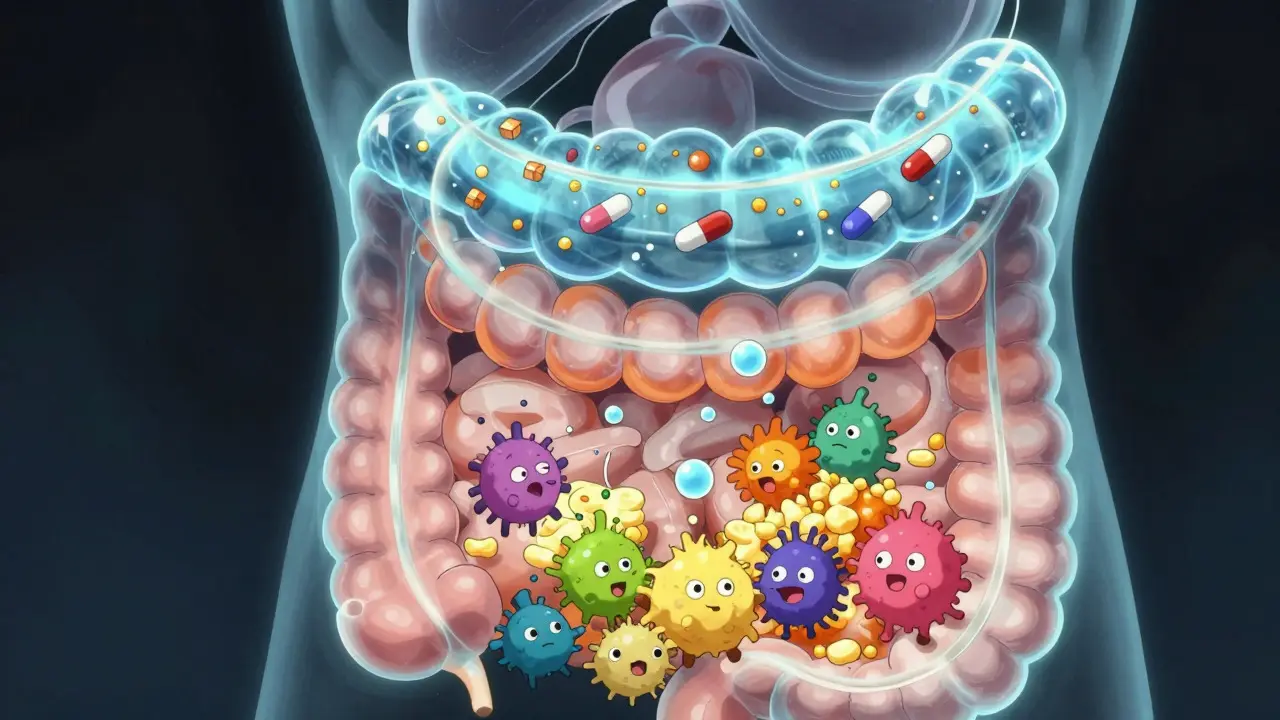
You start your new diabetes medication, take the first bite of dinner, and by dessert, your stomach is rumbling louder than a diesel engine. If you are taking Acarbose or Miglitol, this is likely not a sign that something is wrong with your body. It is how these drugs work. They block enzymes in your small intestine from breaking down complex carbohydrates into simple sugars. The result? Less sugar spikes after meals, but more undigested carbs reaching your colon, where bacteria feast on them and produce gas.
For many patients, this gastrointestinal (GI) discomfort is the main reason they quit their medication within the first three months. But it doesn't have to be that way. With the right dosing strategy and dietary tweaks, you can keep the blood sugar benefits without living in constant discomfort. Here is how to navigate the flatulence and bloating associated with these alpha-glucosidase inhibitors.
Why Do These Drugs Cause Gas?
To manage the side effects, you first need to understand the mechanism. Alpha-glucosidase inhibitors are a class of oral antihyperglycemic medications used primarily for type 2 diabetes. Their job is to delay carbohydrate digestion in the upper small intestine. By doing so, they reduce postprandial hyperglycemia (the spike in blood glucose after eating).
The difference between the two main drugs lies in how they move through your system:
- Acarbose: This is a pseudotetrasaccharide that is barely absorbed into your bloodstream (less than 2%). It stays in the gut lumen, blocking enzymes locally. Because so much undigested starch reaches the colon, it fuels bacterial fermentation heavily.
- Miglitol: A deoxynojirimycin derivative, miglitol is absorbed at about 50-100% in the upper intestine. It undergoes minimal metabolism before being excreted by the kidneys. Its systemic absorption may contribute to a slightly better GI tolerability profile compared to acarbose, though both cause flatulence.
In a randomized crossover study by Aoki et al. (2010), participants reported significantly higher flatus scores with acarbose (mean 2.8 on a 4-point scale) compared to miglitol (mean 1.9). While both lower HbA1c by roughly 0.5-1.0%, the trade-off for greater efficacy with acarbose is often more intense gastrointestinal distress.
The Critical First Two Weeks
If you just started treatment, brace yourself. The initial 3-7 days represent the peak period for gastrointestinal symptoms. Your gut microbiome hasn't adapted yet to the sudden influx of undigested carbohydrates. Dr. Hiroyuki Ito from Yokohama City University notes that significant improvement typically occurs by week 2-4 as colonic bacteria adjust to the increased carbohydrate load.
Many patients quit too early because they expect immediate comfort. Instead, think of this phase as a training period for your gut. Discontinuation rates drop dramatically when patients stick with a slow titration schedule rather than jumping straight to the maximum dose.
Dosing Strategies That Reduce Discomfort
The single most effective way to minimize side effects is proper dose titration. Clinical protocols recommend starting low and going slow. Here is the standard approach endorsed by the American Diabetes Association (ADA):
- Start Low: Begin with 25mg of either acarbose or miglitol, taken three times daily with the first bite of each meal. Some providers even suggest starting once daily with the largest meal if sensitivity is high.
- Wait and Assess: Maintain this dose for 2-4 weeks. Monitor your tolerance. If bloating is manageable, proceed to the next step.
- Gradual Increase: Increase the dose by 25-50mg every 2-4 weeks until you reach the target therapeutic dose (usually 50-100mg three times daily for acarbose, or up to 100mg for miglitol).
This gradual approach reduces discontinuation rates from approximately 30% to 12%, according to a meta-analysis by Zhang et al. (2016). Taking the medication with the first bite of the meal is crucial. If you wait until after you've eaten half your plate, the drug won't effectively block the enzymes, reducing its glycemic benefit while potentially still causing gas.
Dietary Adjustments for Better Tolerance
Your diet plays a huge role in how well you tolerate these drugs. Since the medication prevents the breakdown of complex carbs, what you eat determines how much fuel reaches your colon.
- Consistent Carbohydrate Intake: Aim for 45-60g of carbohydrates per meal. Large swings in carb intake can exacerbate symptoms.
- Avoid Excessive Simple Sugars: While AGIs don't affect simple sugars like glucose directly, consuming large amounts of candy or soda alongside the medication can worsen abdominal discomfort due to osmotic effects.
- Be Cautious with High-Fiber Foods Initially: During the first few weeks of titration, very high-fiber meals (like massive servings of beans or lentils) can compound the bloating. Gradually reintroduce these as your tolerance improves.
- Chew Thoroughly: Mechanical breakdown of food in the mouth helps compensate for the enzymatic blockade in the intestine.
Users on diabetes forums often report that avoiding heavy legume-based meals during the initial adaptation period makes a noticeable difference in bloating severity.
Practical Remedies for Persistent Flatulence
If you’ve followed the dosing and diet advice but still struggle with gas, there are evidence-based adjuncts that can help.
| Remedy | Mechanism | Reported Efficacy | Usage Tip |
|---|---|---|---|
| Simethicone | Breaks up gas bubbles | Reduces bloating severity by ~40% | Take 120mg three times daily |
| Activated Charcoal | Absorbs gas in the gut | Reduces flatus volume by ~32% | Take 30 minutes before meals |
| Probiotics (Lactobacillus GG) | Modifies gut flora | Reduces flatulence frequency by ~37% | 10 billion CFU daily |
Research presented at the 2023 ADA Scientific Sessions also highlighted that combining miglitol with specific probiotic strains, such as Bifidobacterium longum BB536, reduced flatulence frequency by 42% compared to miglitol alone. While not a cure-all, these supplements can provide meaningful relief when combined with proper medical management.

Acarbose vs. Miglitol: Which Is More Tolerable?
If you are choosing between the two, or switching from one to the other, here is how they compare in terms of side effect profiles and efficacy.
| Attribute | Acarbose | Miglitol |
|---|---|---|
| Systemic Absorption | < 2% | 50-100% |
| HbA1c Reduction (Long-term) | ~0.8% | ~0.6% |
| Flatulence Severity | Higher (Mean score 2.8/4) | Lower (Mean score 1.9/4) |
| Weight Impact | Neutral | Slight reduction (~1.2kg in some studies) |
| Best For | Patients prioritizing max glucose control | Patients prioritizing GI comfort |
Miglitol is generally preferred when gastrointestinal tolerability is the primary concern. However, if you have tried both and find that neither works, talk to your doctor about combination therapies. The FDA recently approved a novel acarbose-metformin combination tablet designed with controlled release technology, which clinical trials show has a 28% lower incidence of flatus compared to standard acarbose.
When to See Your Doctor
While gas and bloating are expected, certain signs indicate you should seek medical advice:
- Persistent pain or cramping that does not improve after 4-6 weeks of dose adjustment.
- Signs of liver issues (yellowing skin/eyes, dark urine), as rare cases of hepatotoxicity have been reported with acarbose (incidence 0.02%).
- Inability to eat enough calories due to severe GI distress, leading to weight loss.
Remember, these medications are particularly valuable for obese type 2 diabetes patients because they do not cause weight gain or hypoglycemia. Don’t give up on them prematurely-just adjust the approach.
Frequently Asked Questions
How long does it take for acarbose gas to go away?
For most patients, the worst of the flatulence peaks in the first 3-7 days. Significant improvement is typically observed by week 2-4 as the gut microbiome adapts. If symptoms persist beyond 8 weeks despite dose titration, consult your healthcare provider.
Can I take simethicone with miglitol?
Yes. Simethicone is an over-the-counter anti-gas agent that works by breaking up gas bubbles in the gut. It does not interact negatively with miglitol or acarbose and can help reduce bloating severity by up to 40%.
Which is better for diabetics: acarbose or miglitol?
It depends on your priority. Acarbose offers slightly better long-term HbA1c reduction (0.8% vs 0.6%) but causes more gas. Miglitol is generally easier on the stomach and may offer slight weight loss benefits. Many clinicians prefer miglitol for patients sensitive to GI side effects.
Does diet really affect how much gas I get from these meds?
Absolutely. Since these drugs prevent the breakdown of complex carbohydrates, eating large amounts of starchy or fibrous foods will increase the substrate available for bacterial fermentation in the colon. Consistent, moderate carbohydrate intake (45-60g per meal) helps stabilize symptoms.
Are alpha-glucosidase inhibitors safe for long-term use?
Yes, both acarbose and miglitol have favorable long-term safety profiles. The main concern is GI intolerance, not systemic toxicity. Rare cases of liver enzyme elevation have been noted with acarbose, but regular monitoring can manage this risk.