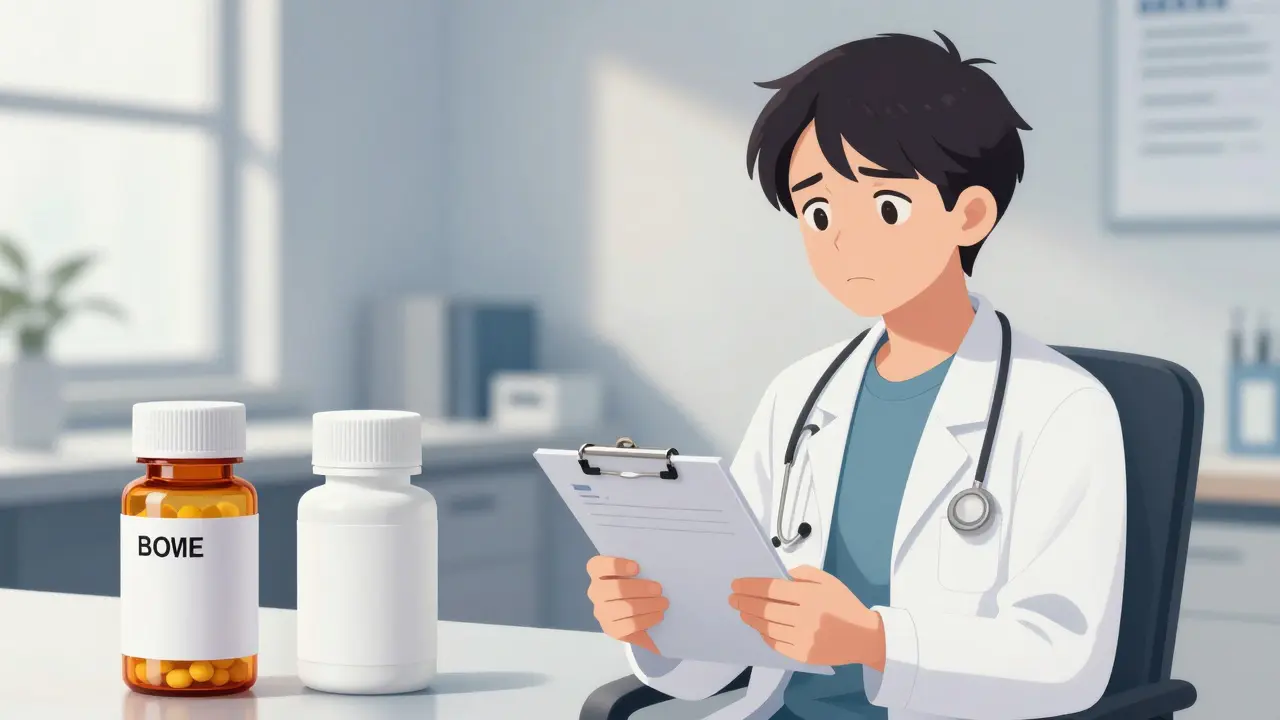
Imagine sitting in a doctor’s office, holding a prescription pad. The medication prescribed is for a condition you’ve managed for years. You know the brand name. It works. But when you get to the pharmacy counter, the pharmacist hands you a pill that looks different-different color, different shape-and asks if you want the generic version instead. Your heart skips a beat. Is this safe? Will it work the same way? Or should you insist on the familiar brand?
This scenario plays out millions of times daily. The tension between generic medications and brand-name drugs isn’t just about chemistry; it’s about trust, cost, and communication. Many patients worry that switching means risking their health, while others feel trapped by high prices. The truth lies somewhere in the middle, but getting there requires an open conversation with your healthcare provider.
The Core Difference: Same Engine, Different Paint Job
To understand why generics exist, you first need to understand how drug patents work. When a pharmaceutical company develops a new drug, they hold a patent-typically lasting 20 years from the filing date. During this time, they are the only ones who can sell that specific chemical compound. This exclusivity allows them to recoup the billions spent on research and development. Once that patent expires, other manufacturers can step in.
Here is the critical part: Generic drugs are not 'knock-offs' or inferior copies. According to the U.S. Food and Drug Administration (FDA), a generic drug must contain the exact same active ingredient as the brand-name drug. It must have the same strength, quality, purity, and intended use. It must also demonstrate bioequivalence, meaning it delivers the same amount of active ingredient into your bloodstream within the same timeframe as the brand-name version.
Think of it like two cars built from the same engine blueprint. One is sold under a famous luxury badge with custom leather seats (the brand). The other is sold under a budget brand with standard cloth seats (the generic). The engine-the part that makes the car go-is identical. The difference is in the packaging, the price tag, and sometimes minor cosmetic details like inactive ingredients (fillers, binders, or dyes).
| Feature | Brand-Name Drug | Generic Drug |
|---|---|---|
| Active Ingredient | Original formulation | Identical to brand |
| Cost | High (80-85% more) | Low (significant savings) |
| Appearance | Specific color/shape/trademark | Different color/shape (due to trademark laws) |
| Inactive Ingredients | Proprietary mix | May differ (fillers/dyes) |
| Efficacy | Clinically proven | Bioequivalent (same clinical effect) |
The Financial Reality: Why Generics Matter
Let’s talk money, because this is often the driving force behind the generic debate. Brand-name drugs are expensive. They account for nearly 75% of total prescription costs in the United States, despite representing only about 10% of prescriptions filled. In contrast, generic drugs make up 90% of prescriptions but cost significantly less-typically 80% to 85% cheaper than their brand-name counterparts.
Why such a huge gap? Brand-name companies spend heavily on marketing, advertising, and recouping R&D costs. Generic manufacturers skip the expensive clinical trials because they don’t need to prove the drug works-they only need to prove it matches the original. This efficiency translates directly to your wallet. Data shows that widespread generic use has saved the U.S. healthcare system trillions of dollars over the last two decades. For an individual, this might mean paying $45 per month instead of $300 for the same therapeutic benefit.
However, cost isn't always the whole story. Some insurance plans have complex formularies where the brand-name drug might actually have a lower copay due to negotiated rebates. Always check with your insurer, but generally, generics offer substantial financial relief without compromising care.
When Appearance and Inactive Ingredients Cause Concerns
If generics are so similar, why do some patients report feeling a difference? The answer usually lies in perception and inactive ingredients. Because of trademark laws, generic pills cannot look exactly like the brand-name version. They must differ in color, shape, or imprint. For many people, this visual change triggers anxiety. "If it doesn't look the same, does it work the same?" becomes a nagging doubt.
Then there are the inactive ingredients. While the active drug molecule is identical, the fillers, binders, or coatings may vary. For most people, these differences are irrelevant. However, a small subset of patients may have sensitivities or allergies to specific dyes or gluten-based fillers used in certain generic formulations. If you have known allergies, this is a crucial point to discuss with your doctor or pharmacist.
Additionally, there is the psychological phenomenon known as the nocebo effect. This occurs when a negative expectation leads to a negative outcome. If you believe the generic won't work as well, you may unconsciously perceive side effects or reduced efficacy, even if the drug is performing identically to the brand. Studies show that 89% of patients report no difference in effectiveness when switching, yet those who do report issues often cite appearance changes rather than pharmacological failure.

Narrow Therapeutic Index Drugs: The Exception That Proves the Rule
While generics are safe for the vast majority of conditions, there is a category of medications that requires extra caution: Narrow Therapeutic Index (NTI) drugs. These are medications where the difference between a helpful dose and a harmful dose is very small. Examples include warfarin (a blood thinner), levothyroxine (for thyroid conditions), and certain anti-seizure medications like phenytoin.
For NTI drugs, even tiny variations in absorption-within the FDA's acceptable bioequivalence range of 80-125%-can theoretically lead to fluctuations in blood levels. While the FDA maintains that approved generics are equally appropriate, some physicians prefer to keep patients on a consistent manufacturer, whether brand or generic, to minimize variability. Dr. Aaron Kesselheim of Harvard Medical School has noted in limited studies that some patients on warfarin experienced minor fluctuations when switching between generic manufacturers, though these findings remain controversial.
If you are taking an NTI drug, do not assume automatic substitution is ideal. Ask your doctor: "Is my medication sensitive to manufacturer changes?" If yes, you may request that your prescription specify "Dispense as Written" (DAW) to ensure you receive the same product every time, reducing the risk of inconsistent dosing.
How to Start the Conversation With Your Doctor
Discussing medication choices shouldn't be a taboo subject. Doctors want you to be adherent to your treatment plan, and cost or comfort are valid barriers to adherence. Here is how to approach the discussion effectively:
- Prepare your questions beforehand. Don't wait until the appointment ends. Write down: "Is there a generic available for this?" and "Will the generic work as well for my specific condition?"
- Be honest about finances. If the brand-name drug is causing financial stress, tell your doctor. They may prescribe a generic alternative, adjust the dosage, or help you access patient assistance programs.
- Mention past experiences. Have you tried a generic before and felt worse? Did you react to a specific dye? Share this history. Your doctor can choose a generic manufacturer with different inactive ingredients if needed.
- Ask about 'Dispense as Written'. If you are comfortable with the brand-name drug and can afford it, ask if there is a medical reason to stay on it. If not, you can choose to switch. Conversely, if you prefer the generic, confirm that switching is safe for your condition.
Remember, state laws often mandate generic substitution unless the prescriber explicitly indicates otherwise. By initiating this conversation, you take control of your healthcare decisions rather than leaving it to default pharmacy protocols.
The Role of Pharmacists in Your Decision
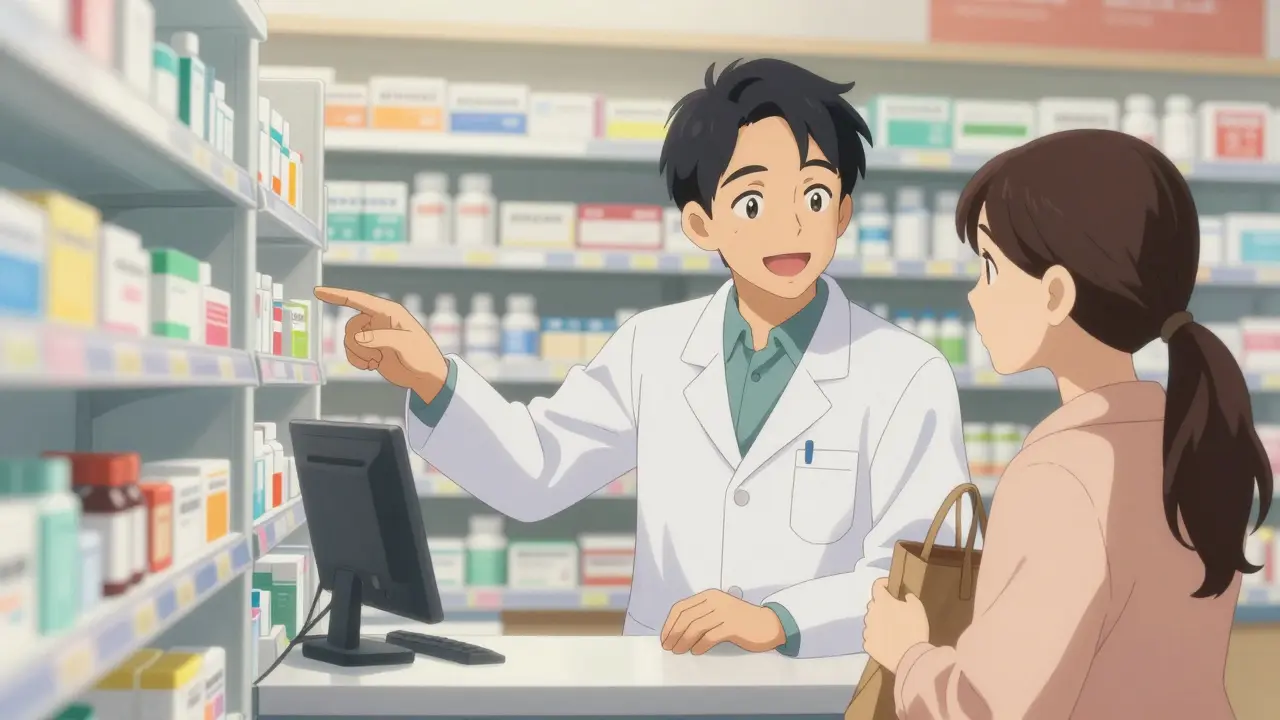
Your pharmacist is often the most accessible expert on generic vs. brand-name distinctions. A 2022 study found that 78% of patient concerns about generics were resolved through pharmacist consultation. Pharmacists can explain which inactive ingredients are in the generic version you received, verify bioequivalence data, and advise on potential interactions.
If you receive a generic and notice unexpected side effects, don't immediately stop taking it. Contact your pharmacist. They can determine if the issue is related to the filler ingredients or if it’s a coincidence. In some cases, they can order a different generic manufacturer or switch you back to the brand-name if medically justified and covered by insurance.
Making an Informed Choice
Ultimately, the choice between generic and brand-name medications is personal. For most people, generics are a safe, effective, and financially smart option. They undergo rigorous FDA testing and provide identical therapeutic benefits. However, for those with specific allergies, sensitivities to inactive ingredients, or conditions requiring narrow therapeutic index management, brand-name drugs or specific generic manufacturers may be preferable.
The goal is not to blindly accept or reject generics, but to engage in informed dialogue with your healthcare team. By understanding the science, the economics, and your own body's responses, you can make decisions that support both your health and your wallet. Open communication ensures that you get the right medication, in the right form, at the right price.
Are generic medications really as effective as brand-name drugs?
Yes. Generic medications must meet strict FDA standards for bioequivalence, meaning they deliver the same amount of active ingredient into your bloodstream as the brand-name drug. Clinical studies consistently show they provide identical therapeutic benefits for the vast majority of conditions.
Why do generic pills look different from brand-name pills?
Trademark laws prevent generic manufacturers from using the same shape, color, or imprint as the brand-name drug to avoid consumer confusion. Additionally, generic makers may use different inactive ingredients (like dyes or fillers) which can affect appearance, though not efficacy.
What are Narrow Therapeutic Index (NTI) drugs?
NTI drugs are medications where small changes in dose can lead to serious side effects or treatment failure. Examples include warfarin and levothyroxine. While generics are approved for these, some doctors prefer keeping patients on one consistent manufacturer to minimize absorption variability.
Can I ask my doctor to write "Dispense as Written" for a brand-name drug?
Yes. If you have a medical reason to stay on the brand-name drug (such as an allergy to generic fillers or sensitivity to NTI variations), you can request "Dispense as Written" (DAW). Be aware that this may result in higher out-of-pocket costs depending on your insurance plan.
Should I be worried about inactive ingredients in generic drugs?
For most people, inactive ingredients are harmless. However, if you have specific allergies (e.g., to gluten, lactose, or certain dyes), you should inform your doctor and pharmacist. They can help select a generic formulation or brand-name drug that avoids those specific allergens.