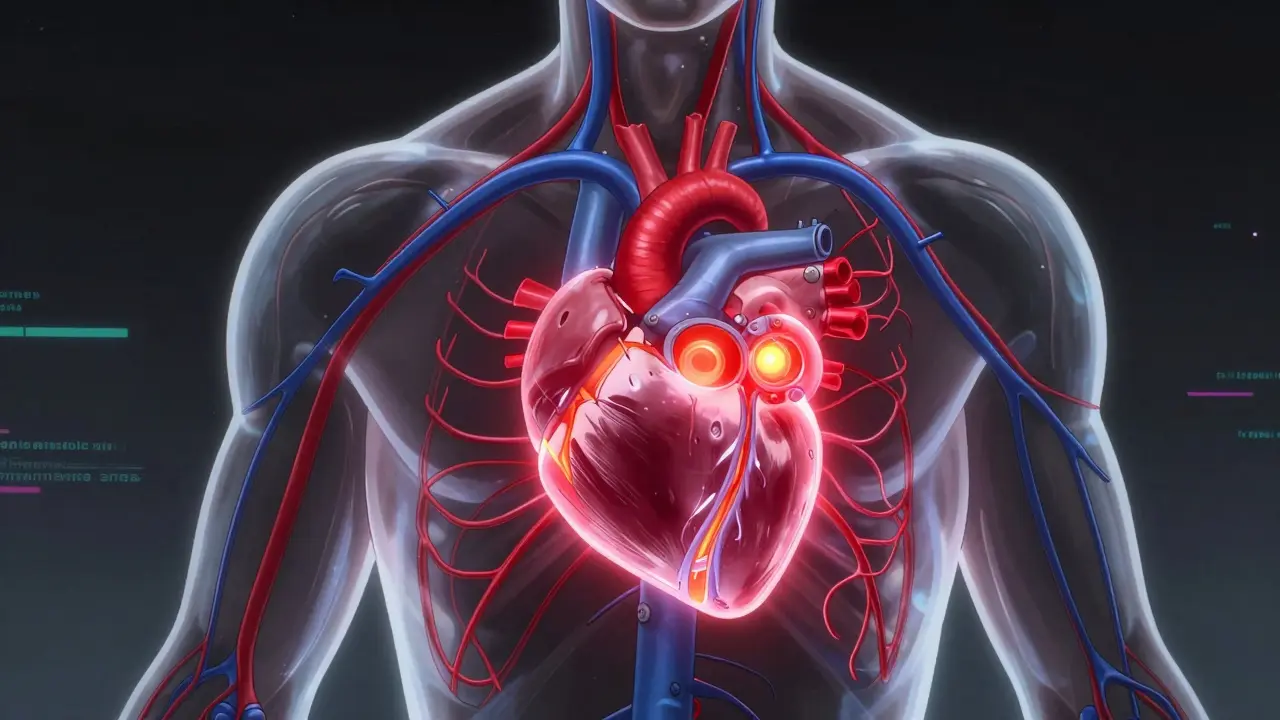
It sounds like a distant threat until it isn't. One moment you are fine; the next, your life changes forever. Cardiovascular disease (CVD) is not just one illness. It is a collection of conditions that affect your heart and blood vessels throughout the body. In the United States alone, it claims about 800,000 lives every year. That is nearly one-third of all deaths. But here is the good news: most of these events are preventable. You do not need to be a doctor to understand how to protect yourself. You just need to know what is happening inside your body and take simple, consistent steps.
What Exactly Is Cardiovascular Disease?
Think of your cardiovascular system as a vast network of pipes delivering fuel to every part of your house. If those pipes get clogged, cracked, or burst, the lights go out. Cardiovascular disease is a group of disorders affecting the heart and blood vessels. The most common type is atherosclerotic cardiovascular disease (ASCVD). This happens when plaque builds up in your arteries. Plaque is made of fat, cholesterol, calcium, and other substances found in your blood. Over time, this buildup narrows the arteries, reducing blood flow to your heart, brain, and limbs.
CVD includes several specific conditions:
- Coronary artery disease: Affects the blood vessels supplying the heart muscle.
- Cerebrovascular disease: Affects the blood vessels supplying the brain (stroke).
- Peripheral artery disease: Affects blood vessels supplying the arms and legs.
- Heart failure: When the heart cannot pump enough blood to meet the body's needs.
According to recent data, coronary artery disease affects over 18 million American adults. Stroke strikes about 795,000 Americans annually. These numbers are staggering, but they also highlight why understanding the root causes is so critical.
The Silent Risks: What Damages Your Heart?
You might feel healthy, but damage can be happening silently. Several major risk factors drive cardiovascular disease. Some you can change; others you cannot. Knowing the difference helps you focus your energy where it matters most.
| Risk Factor | Impact on Body | Prevalence in US Adults |
|---|---|---|
| Hypertension (High Blood Pressure) | Damages artery walls, forcing the heart to work harder | Affects ~116 million adults |
| Dyslipidemia (High Cholesterol) | LDL-C >100 mg/dL contributes to plaque buildup | Affects ~71 million adults |
| Diabetes | High blood sugar damages blood vessels and nerves | 11.3% of US adults |
| Obesity | BMI ≥30 increases strain on the heart and raises inflammation | 41.9% of US adults |
| Smoking | Chemicals damage endothelial cells and reduce oxygen in blood | 11.5% of US adults |
Notice something? Most of these risks are linked. High blood pressure often comes with high cholesterol. Obesity frequently leads to diabetes. This clustering is why experts now talk about "cardiometabolic health" rather than treating each issue in isolation. Addressing one often helps the others.
New Guidelines for 2025: A Shift in Treatment
Medical advice changes as we learn more. The 2025 guidelines from major organizations like the American Diabetes Association (ADA), the American College of Cardiology/American Heart Association (ACC/AHA), and the European Society of Cardiology (ESC) reflect a big shift. They emphasize integrated care. Instead of just lowering blood sugar or just lowering cholesterol, doctors now look at the whole picture.
For example, the ADA recommends an LDL cholesterol target of less than 55 mg/dL for very high-risk patients. This is stricter than previous recommendations. Why? Because studies show that lower LDL levels significantly reduce the risk of heart attack and stroke. New medications like SGLT2 inhibitors and GLP-1 receptor agonists are now standard for many patients. These drugs do more than control blood sugar; they protect the heart and kidneys directly.
Another exciting development is the focus on mental health. The ESC 2025 guidelines highlight that depression increases CVD risk by 30%. Conversely, having CVD makes you three to four times more likely to develop depression. Treating both together improves outcomes dramatically. If you are struggling with anxiety or sadness after a cardiac event, speak up. It is part of your heart health.
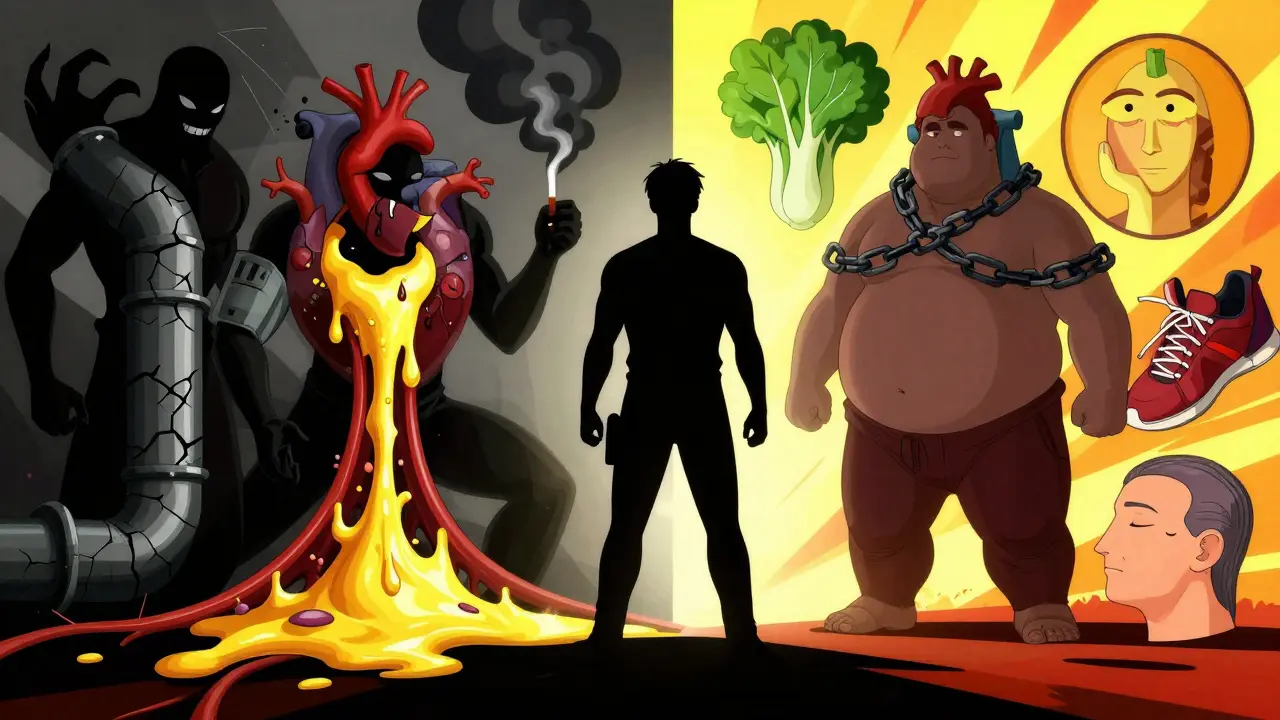
Prevention Starts With Small Steps
You do not need a complete lifestyle overhaul overnight. Sustainable changes stick better. Here is a practical checklist based on the CDC’s HEARTS technical package and expert recommendations:
- Know Your Numbers: Check your blood pressure, cholesterol, and blood sugar regularly. Ask your doctor if you should have a coronary artery calcium (CAC) scan if you are at intermediate risk.
- Eat for Your Heart: Focus on whole foods. Vegetables, fruits, whole grains, nuts, and lean proteins. Limit processed foods, added sugars, and excessive salt. The Mediterranean diet is a great model.
- Move Daily: Aim for at least 150 minutes of moderate aerobic activity per week. Walking counts! Even short bursts of movement help clear plaque-causing fats from your blood.
- Quit Smoking: If you smoke, quitting is the single best thing you can do for your heart. Benefits start within hours of your last cigarette.
- Manage Stress: Chronic stress raises blood pressure and inflammation. Try mindfulness, deep breathing, or talking to a counselor.
- Sleep Well: Poor sleep disrupts hormones that regulate appetite and blood pressure. Aim for 7-9 hours of quality sleep nightly.
Workplace programs have shown success. For instance, employees at Johnson & Johnson saw a 26% reduction in CVD risk after participating in comprehensive health promotion programs for ten years. You can create similar habits at home. Cook meals together, take walking meetings, and support each other in quitting smoking.
When to Seek Help
Recognizing symptoms early saves lives. Do not ignore warning signs.
Heart Attack Symptoms: Chest pain or discomfort, shortness of breath, pain in the jaw, neck, back, or arm, nausea, cold sweat.
Stroke Symptoms (Remember FAST):
- Face drooping
- Arms weakness
- Speech difficulty
- Time to call emergency services
If you experience any of these, call for help immediately. Every minute counts. Brain cells die without oxygen, and heart muscle dies without blood flow. Early intervention can limit damage and save your life.

The Bigger Picture: Social Determinants
Your zip code can predict your heart health better than your genetic code. This harsh reality highlights the role of social determinants of health. Access to healthy food, safe places to exercise, quality healthcare, and stable housing all impact cardiovascular outcomes. Black Americans, for example, face CVD mortality rates 30% higher than White Americans, despite similar clinical risk profiles. Systemic inequalities play a huge role.
Advocacy and community programs matter. Initiatives like the Million Hearts™ initiative aim to prevent one million heart attacks and strokes through evidence-based strategies. Community-clinical linkages, such as the National Diabetes Prevention Program, have reduced CVD events by 18% among participants with prediabetes. Support local efforts to improve access to care and healthy environments.
Looking Ahead
The future of cardiovascular care is personalized and proactive. Artificial intelligence tools are improving risk prediction accuracy. Genetic testing may soon guide medication choices. However, the fundamentals remain unchanged. Healthy eating, regular movement, avoiding tobacco, managing stress, and controlling chronic conditions like hypertension and diabetes are still the pillars of prevention.
Cardiovascular disease is serious, but it is not inevitable. By understanding the risks and taking actionable steps today, you can protect your heart and live a longer, healthier life. Start small. Stay consistent. Your heart will thank you.
What is the difference between ASCVD and general CVD?
General CVD refers to all diseases of the heart and blood vessels. ASCVD specifically refers to conditions caused by atherosclerosis, which is the buildup of plaque in the arteries. ASCVD includes heart attacks, strokes, and peripheral artery disease resulting from this plaque buildup.
Can I reverse cardiovascular disease naturally?
While you cannot completely remove existing plaque, you can stabilize it and prevent further buildup through lifestyle changes. Diet, exercise, and quitting smoking can halt progression and even lead to some regression of plaque in severe cases, especially when combined with medication.
Why are SGLT2 inhibitors recommended for heart health?
Originally developed for diabetes, SGLT2 inhibitors have been shown to reduce hospitalizations for heart failure and slow kidney disease progression. They help the body excrete excess glucose through urine, which reduces strain on the heart and kidneys independently of blood sugar control.
How does mental health affect my heart?
Chronic stress, depression, and anxiety increase inflammation and raise blood pressure. Depression doubles the risk of developing heart disease in healthy people and worsens outcomes in those who already have CVD. Treating mental health is a crucial part of cardiac care.
Is a coronary artery calcium scan necessary for everyone?
No. It is primarily recommended for adults at intermediate risk (10-year ASCVD risk of 7.5-20%) to help decide whether to start statin therapy. Low-risk individuals usually do not need it, while high-risk individuals should start treatment regardless of the score.