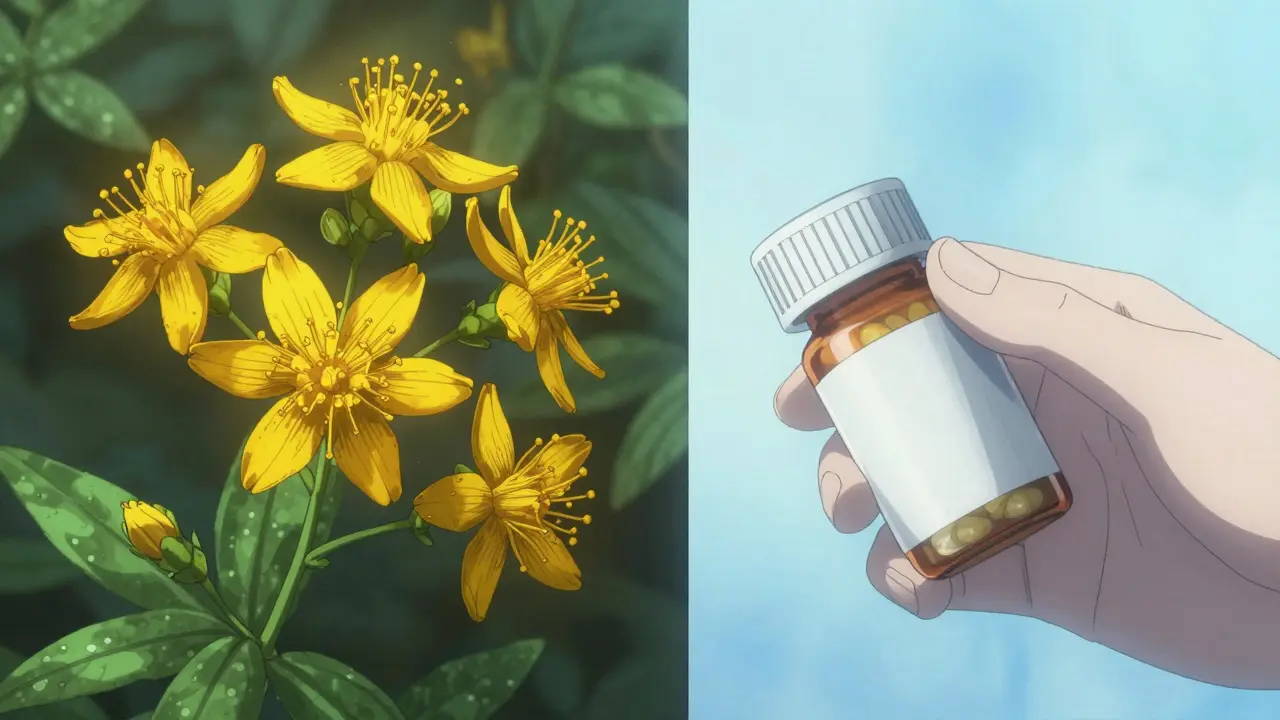
Imagine taking a natural supplement to lift your mood, only to find out it has quietly disabled your birth control or, worse, caused a transplanted organ to fail. It sounds like a medical thriller, but for thousands of people, this is a reality. St. John's Wort is a flowering plant (Hypericum perforatum) used as a natural remedy for mild to moderate depression. While it is often praised as a "gentle" alternative to pharmaceuticals, it is actually one of the most chemically aggressive herbs you can put in your body when other medications are involved.
The problem isn't that the herb is "toxic" in the traditional sense. Instead, it acts like a turbo-charger for your liver. By speeding up the processes that clear drugs from your system, it effectively flushes your prescription medications out of your body before they ever have a chance to work. If you are taking a life-saving medication with a narrow therapeutic window, this "natural" boost can be catastrophic.
How St. John's Wort Actually Changes Your Body
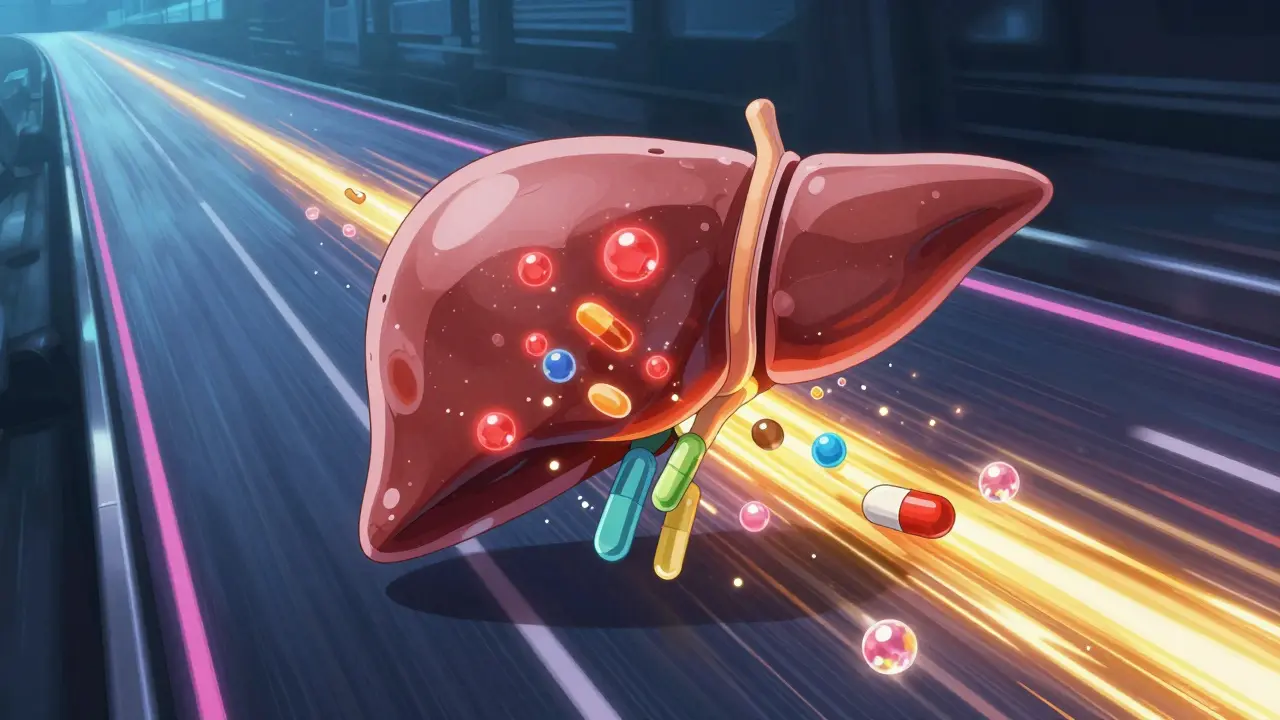
To understand why this happens, we have to look at the liver's cleanup crew. Your body uses a group of enzymes called Cytochrome P450 (specifically the CYP3A4 subtype) to break down medications. St. John's Wort contains a powerful compound called hyperforin, which acts as a signal to your liver to produce way more of these enzymes than usual.
Think of it like adding ten more lanes to a highway; the traffic (your medication) moves through the liver much faster. Because the drugs are processed and excreted so quickly, the concentration of the medicine in your blood drops. You might be taking your pill exactly as prescribed, but your body is behaving as if you've skipped several doses. This is why a patient on Cyclosporine (an immunosuppressant) can suffer acute organ rejection while taking this herb; the liver simply clears the drug too fast for it to protect the transplant.
High-Risk Medication Categories
Not every drug is affected, but the ones that are often fall into critical categories. If you are taking any of the following, combining them with St. John's Wort is generally considered a major medical risk.
- Hormonal Contraceptives: Many women have reported breakthrough bleeding or unintended pregnancies because the herb reduces the effectiveness of oral contraceptives.
- Blood Thinners: Medications like Warfarin can see a significant drop in efficacy. In some documented cases, a patient's INR (a measure of how long it takes blood to clot) dropped drastically within just ten days of starting the herb.
- HIV and Cancer Drugs: Protease inhibitors and certain chemotherapy agents are often processed by the CYP3A4 enzyme, meaning the herb can make these life-saving treatments fail.
- Pain Management: The effectiveness of medications like oxycodone or methadone can be significantly diminished.
| Feature | St. John's Wort | SAM-e | 5-HTP |
|---|---|---|---|
| Interaction Risk | Very High (50+ drugs) | Low | Low/Moderate |
| Primary Mechanism | CYP3A4 Induction | Methyl donor | Serotonin precursor |
| Main Risk | Reduced drug efficacy | MAOI interactions | Serotonin Syndrome |
| Research Base | Extensive (Clinical) | Moderate | Limited |
The Danger of Serotonin Syndrome
While most interactions involve the liver clearing drugs too fast, there is a different, more immediate danger when combining St. John's Wort with other antidepressants, such as SSRIs (Selective Serotonin Reuptake Inhibitors). Instead of clearing the drug out, the herb adds its own serotonin-boosting effect to the mix.
This can lead to Serotonin Syndrome, a condition where your brain is flooded with too much serotonin. It isn't just a "bad reaction"; it can be life-threatening. Symptoms usually start with agitation, shivering, and sweating, but can quickly progress to high fever, tremors, and unconsciousness. If you're already on a prescription antidepressant, adding an over-the-counter mood booster isn't "helping"-it's creating a chemical overload.

Practical Advice for Safe Use
If you're considering this supplement, don't just read the label. Because supplements aren't regulated like prescription drugs in many regions (including the US), the concentration of hyperforin can vary wildly between brands. Some "low-hyperforin" extracts are being developed to reduce these risks, but they aren't the industry standard yet.
The first step is a complete medication audit. Sit down with a pharmacist and list every single thing you take, including vitamins and other herbs. If you've already started taking St. John's Wort and want to stop, be aware that your liver doesn't reset instantly. The enzyme induction can persist for up to two weeks after your last dose, meaning your prescription meds might actually become too strong as the herb leaves your system.
A good rule of thumb: if your medication is used to treat a chronic or life-threatening condition (like heart disease, epilepsy, or HIV), the risk of using St. John's Wort almost always outweighs the potential benefit for mild depression.
Does St. John's Wort interact with all antidepressants?
Yes, most do. The primary concern is with SSRIs and SNRIs, where the combination can lead to Serotonin Syndrome. It also interacts with MAO inhibitors, which can cause severe blood pressure spikes.
Can I take St. John's Wort with birth control?
It is highly discouraged. St. John's Wort induces the enzymes that break down estrogen and progestogen, which can lead to breakthrough bleeding and a significantly higher risk of unintended pregnancy.
How long does it take for the interaction to start?
Maximal enzyme induction usually happens around 10 days after you start taking the supplement. However, you might not notice the effect until your prescription drug levels drop below a therapeutic threshold, which could take several weeks.
Are there safer herbal alternatives for depression?
Options like SAM-e or 5-HTP generally have fewer documented interactions with the CYP450 liver system. However, they still carry risks (especially regarding serotonin levels), so you should always consult a doctor first.
What should I do if I've been taking both?
Do not stop your prescription medication abruptly. Contact your doctor immediately to report the supplement use. They may need to monitor your blood levels or adjust your dosage while you gradually taper off the herb.
Next Steps and Troubleshooting
If you've realized you're in a high-risk combination, your priority is stabilization. For those on critical meds like Tacrolimus or Warfarin, ask your doctor for a blood test immediately to check if your drug levels have dropped. If you are experiencing symptoms of Serotonin Syndrome-such as extreme confusion or rigid muscles-seek emergency care.
For people looking for mood support who cannot use St. John's Wort, consider exploring Cognitive Behavioral Therapy (CBT) or lifestyle interventions that don't involve the liver's metabolic pathways. Always remember: "natural" does not always mean "safe," especially when it comes to the complex chemistry of your liver.